Beyond Daylight: 10 Transformative Noctourism Experiences for 2025
- The Editor

- Jul 1, 2025
- 5 min read
Updated: Jul 3, 2025
A quiet revolution is unfolding under the stars. Noctourism—the art of exploring destinations after dark—isn’t just a trend; it’s a recalibration of how we experience place, time, and self.
As travelers seek deeper, more intentional encounters, the night offers a canvas of mystery, serenity, and sensory richness that daylight often overshadows.
S
This curated guide explores ten immersive noctourism experiences that go beyond the obvious. From bioluminescent waters to aurora-lit skies, each destination invites you to slow down, look up, and reconnect—with nature, culture, and wonder.
🌌 1. Tromsø, Norway – The Aurora’s Arctic Stage
Tucked above the Arctic Circle, Tromsø is one of the world’s premier destinations for witnessing the Northern Lights—and 2025 is peak season, thanks to the solar maximum.
But this isn’t just about chasing green ribbons across the sky. Local guides offer aurora photography workshops, Sámi storytelling by firelight, and snowshoe treks into the wilderness, far from light pollution. The experience is as much about stillness as spectacle.
Best time to visit: September to March
Noctourism highlight: Chasing aurora's with astrophotographers and indigenous guides

🦉 2. Monteverde Cloud Forest, Costa Rica – A Symphony of Shadows
By day, Monteverde is a lush, misty haven. By night, it transforms into a living orchestra of nocturnal life. Guided night walks reveal glowing fungi, tree frogs, and the elusive kinkajou.
The forest’s layered soundscape—chirps, rustles, distant howls—feels like nature’s lullaby. It’s a masterclass in sensory immersion.
Best time to visit: November to April
Noctourism highlight: Biologist-led night hikes through the cloud forest
🌊 3. Toyama Bay, Japan – Firefly Squid Illumination
Each spring, the shores of Toyama Bay glow with the eerie blue light of firefly squid. Locals have revered this phenomenon for centuries, and today, night boat tours offer a front-row seat to this bioluminescent ballet. It’s a fleeting, otherworldly spectacle that feels like stepping into a myth.
Best time to visit: March to June
Noctourism highlight: Pre-dawn squid-viewing cruises with traditional fishermen
🔭 4. Warrumbungle National Park, Australia – Stargazing in Sky Country
Australia’s first Dark Sky Park, Warrumbungle offers some of the clearest night skies in the Southern Hemisphere. But what sets it apart is its integration of Aboriginal astronomy.
Indigenous guides share Dreamtime stories that map constellations to ancestral narratives, blending science and spirituality under the stars.
Best time to visit: Year-round, with clearest skies in winter (June–August)
Noctourism highlight: Cultural astronomy tours and telescope nights at Siding Spring Observatory
🐆 5. Kgalagadi Transfrontier Park, South Africa/Botswana – Predators After Dark
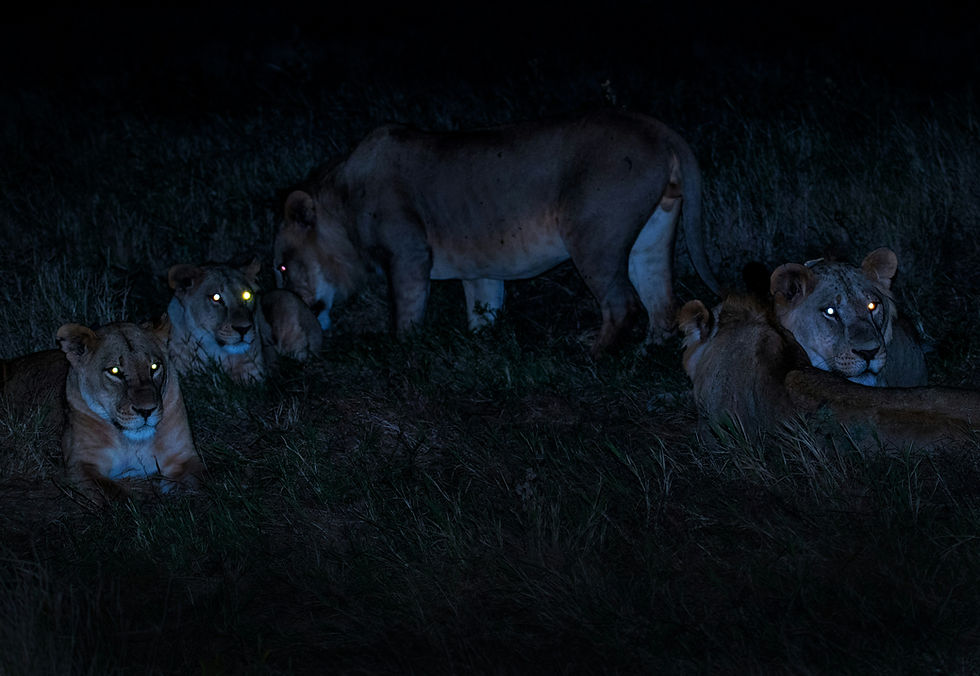
While most safaris end at sunset, Kgalagadi invites you to stay up late. Here, night drives reveal a different cast: elusive aardwolves, prowling leopards, and the haunting calls of black-backed jackals. With minimal light pollution, the Milky Way stretches overhead like a celestial river.
Best time to visit: May to September
Noctourism highlight: Infrared-guided predator tracking and overnight hides

🧊 6. Ilulissat, Greenland – Midnight Kayaking Among Icebergs
In summer, the sun never sets in Ilulissat—but that doesn’t mean the night is absent. Under the soft glow of the midnight sun, travelers kayak through iceberg-laden fjords, where silence is broken only by the crack of calving glaciers. It’s a surreal, meditative experience that redefines “night.”
Best time to visit: June to August
Noctourism highlight: Midnight kayaking with glacial reflections and Arctic stillness
🎭 7. Oaxaca, Mexico – Mezcal, Myths, and Midnight Markets
Oaxaca’s nocturnal soul comes alive in its after-dark rituals. Join a midnight mezcal tasting in the mountains, where ancestral distilleries open their doors to storytellers and song. Or wander the city’s candlelit markets, where mole simmers and marigolds glow. During Día de los Muertos, the night becomes sacred.
Best time to visit: October to March
Noctourism highlight: Mezcaleria tours and nighttime cultural festivals
🌌 8. Sark Island, Channel Islands – Europe’s First Dark Sky Island
With no cars and no streetlights, Sark is a sanctuary for stargazers. Designated as Europe’s first Dark Sky Island, it offers unspoiled views of the Milky Way, meteor showers, and even the Andromeda Galaxy. Stay in a stone cottage, walk by lantern, and let your circadian rhythm reset.
Best time to visit: April to October
Noctourism highlight: Guided astronomy walks and telescope viewings
🐠 9. Raja Ampat, Indonesia – Night Diving in a Living Kaleidoscope
Beneath the surface, Raja Ampat’s coral reefs pulse with life. But at night, they shimmer with bioluminescence. Night dives reveal hunting cuttlefish, sleeping parrotfish, and glowing plankton that swirl with every movement. It’s a psychedelic dreamscape for divers and marine photographers alike.
Best time to visit: October to April
Noctourism highlight: Bioluminescent night dives and underwater photography workshops

🏜️ 10. Wadi Rum, Jordan – Silence, Stars, and Sandstone
Known as the Valley of the Moon, Wadi Rum offers a noctourism experience rooted in elemental beauty. Camp under the stars in Bedouin tents, where the silence is profound and the sky infinite. Local guides share ancient navigation techniques and desert lore passed down for generations.
Best time to visit: March to May, September to November
Noctourism highlight: Stargazing from sandstone cliffs and traditional Bedouin music by firelight
✨ Why Noctourism Matters in 2025
The rise of noctourism isn’t just about novelty—it’s a response to deeper cultural shifts. As travelers seek slower, more meaningful experiences, the night offers a natural filter: fewer crowds, less noise, and heightened sensory awareness. It’s also a sustainable alternative, reducing strain on overvisited daytime attractions.
And with the solar maximum peaking in 2025, aurora activity is expected to be the most vibrant in over a decade. This makes it a banner year for aurora chasers and dark-sky dreamers alike.
🔍 Planning Your Noctourism Journey
To make the most of your after-dark adventures:
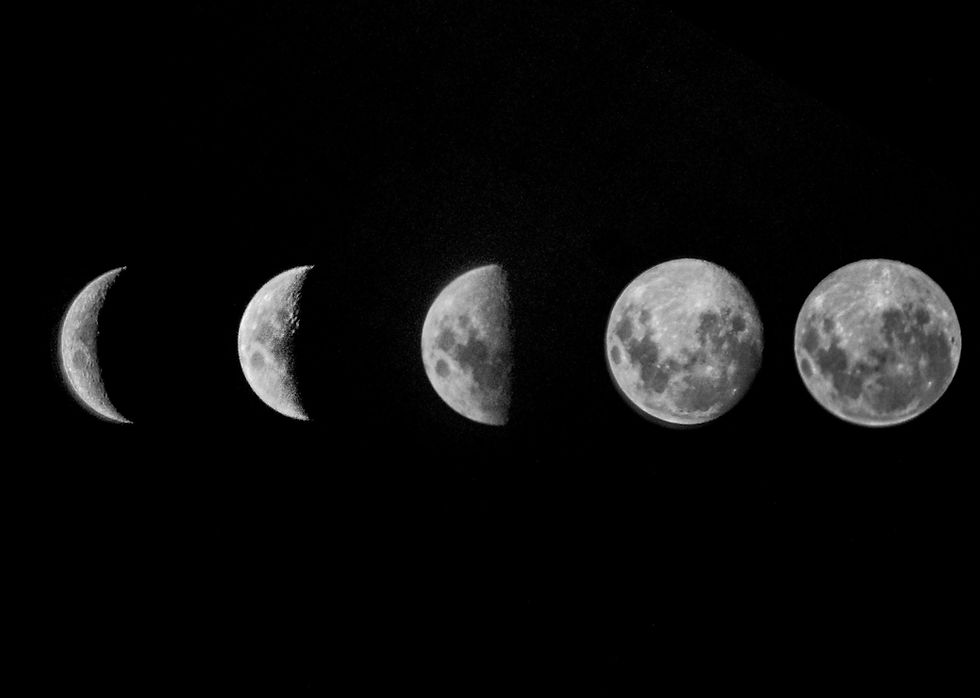
Check moon phases: New moons offer darker skies for stargazing; full moons enhance landscape visibility.
Avoid light pollution: Seek out certified Dark Sky Parks or remote regions.
Layer up: Nights can be colder than expected, even in tropical zones.
Book local guides: They offer safety, cultural context, and insider access.
Embrace slowness: Noctourism isn’t about ticking boxes—it’s about presence.
🌙 Final Thoughts
Noctourism invites us to reimagine travel not as a checklist, but as a conversation with the night. It’s about wonder, stillness, and the quiet thrill of seeing the world when it’s not looking back.
Whether you’re floating through bioluminescent bays or standing beneath a sky ablaze with auroras, these experiences linger long after sunrise.
🔗 Keep exploring the topic of Noctourism here:

Comments